
Does your child press so hard that their pencil tips constantly break? Or do they write so lightly that their handwriting is barely visible?
Pencil pressure grading is the ability to control how much force we apply when writing. Some children press too hard, while others struggle to apply enough pressure to leave visible marks.
The good news? There are simple, creative ways to help children practice finding their "just right" pencil pressure!
Here are some of my favorite school-based OT strategies to try at home or in the classroom.
1. Experiment With Different Writing Surfaces 📄
Different surfaces provide unique tactile and visual feedback, helping children better understand how much pressure they're applying when writing.
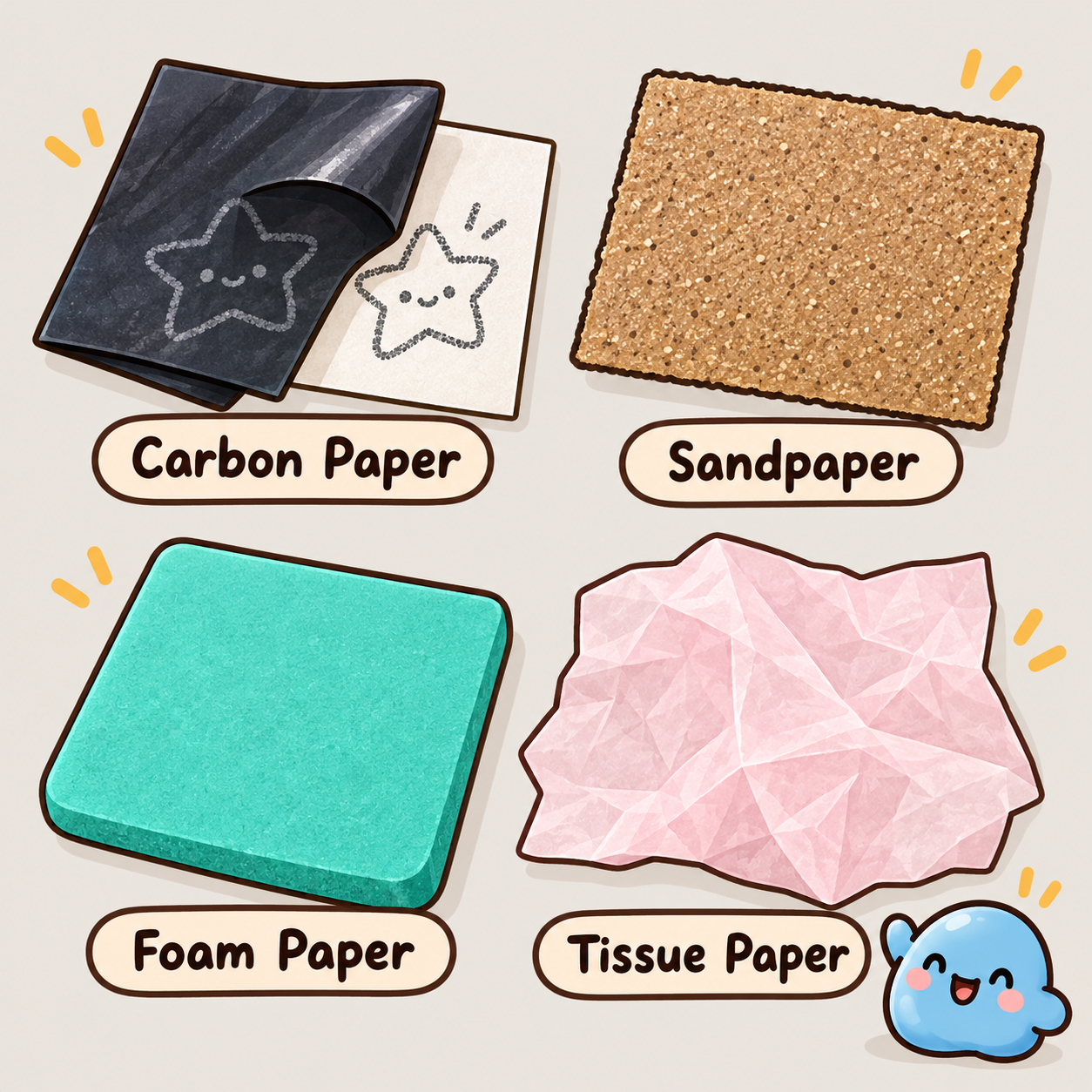
- Carbon Paper: Place carbon paper between two sheets of paper. Have your child write on the top sheet and check the transferred marks underneath. Darker transfers generally indicate greater pressure.
- Sandpaper: Place fine-grit sandpaper underneath a sheet of paper. The textured surface creates resistance and additional tactile feedback during writing.
- Foam Paper: Place a thin foam sheet underneath writing paper. Children can explore how different amounts of pressure leave shallow or deep impressions.
- Tissue Paper: Have your child carefully draw or write on tissue paper without tearing it. This is a fun challenge for students who press too hard!
⭐ OT Tip: Turn this into a "Pressure Detective" game! Have children experiment with light, medium, and heavy pressure and compare the results.
2. Try a Slant Board ✏️
A slant board positions paper at an angle, creating a raised writing surface that can naturally encourage increased pencil pressure for some students, particularly those who tend to write too lightly.
The angled surface may also promote a more functional wrist position (check out our post on Tenodesis Grasp & Release), improve pencil grasp and stability, and support better pencil control during handwriting.
⭐ OT Tip: Have your child write on a flat surface and then on a slant board. Compare their handwriting & grasp to see whether the raised surface helps produce darker, more consistent marks with less effort!
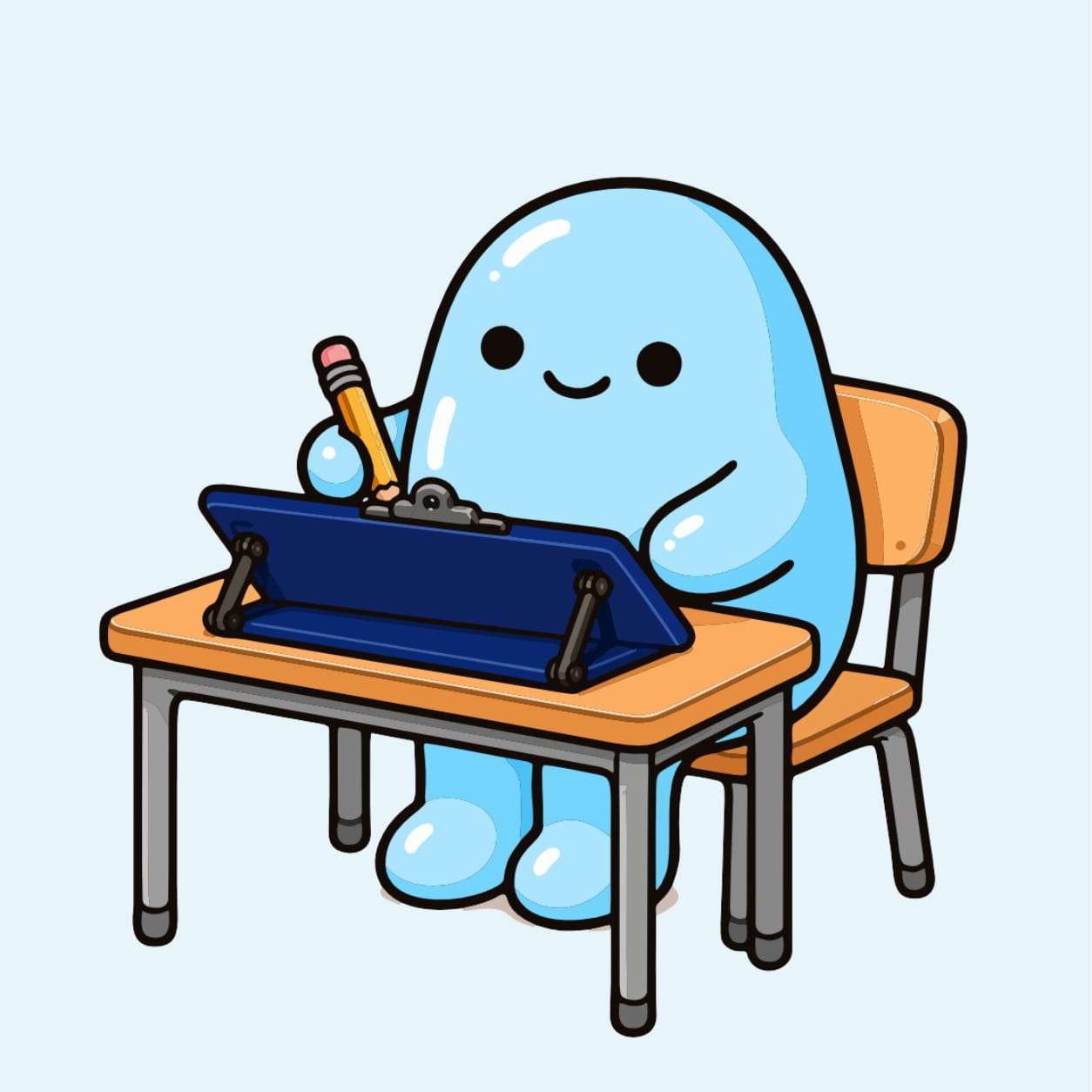
⭐ OT Tip: Try writing on a flat desk and then on a slant board. Compare pencil pressure, handwriting legibility, and comfort to see which setup works best!
3. Experiment With Different Writing Tools 🖍️
Sometimes, changing the writing utensil can help children become more aware of how much force they're applying.
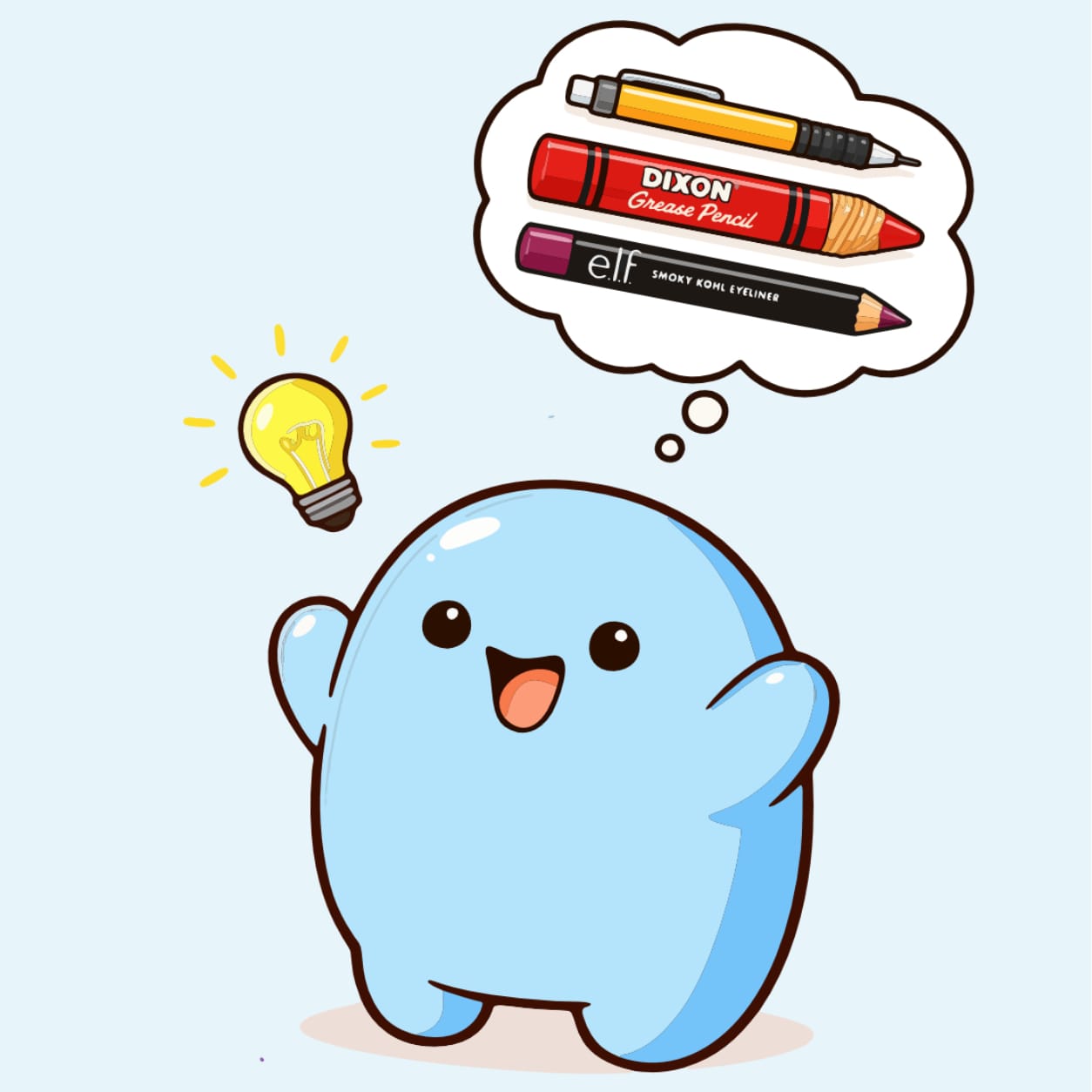
For students who press TOO HARD:
- Mechanical Pencils: Thin graphite lead may break when excessive pressure is applied, providing immediate feedback that the student needs to lighten their touch.
- Grease Pencils: Their soft, waxy tips can create visible marks with minimal force. Excessive pressure may flatten or deform the tip.
- Soft Makeup/Eyeliner Pencils: These have soft cores that create bold marks with little pressure. Pressing too hard may cause the tip to flatten or break.
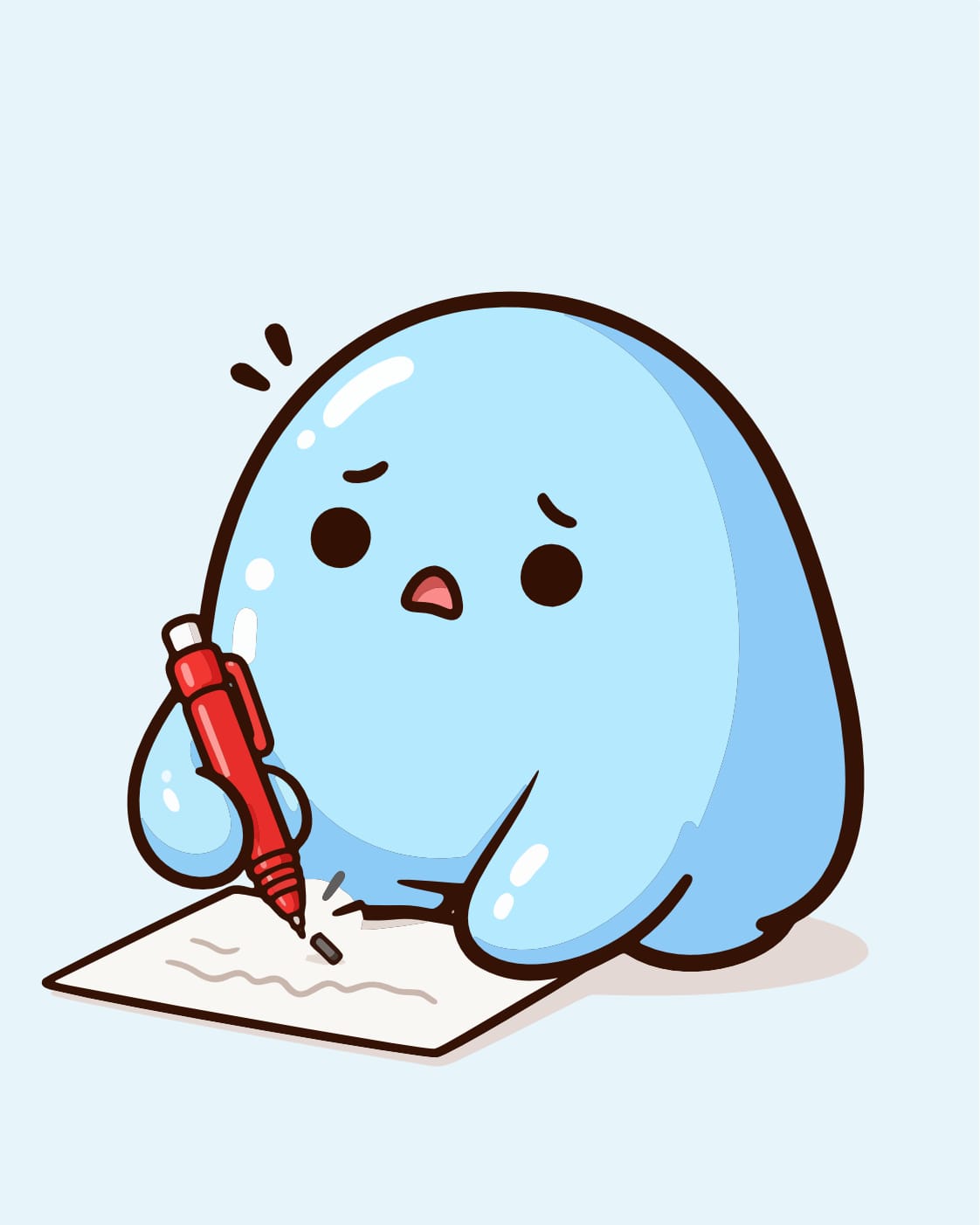
⭐ OT Tip: Challenge your child to write without breaking, flattening, or damaging the pencil tip! The goal is to use just enough pressure to leave a clear, readable mark.
For classroom use, choose washable, child-safe alternatives when possible. Cosmetic pencils are better suited to supervised demonstrations rather than shared everyday writing tools.
4. Explore Weighted & Vibrating Pencils
Some students benefit from additional sensory feedback to help them become more aware of their pencil grasp and writing movements.
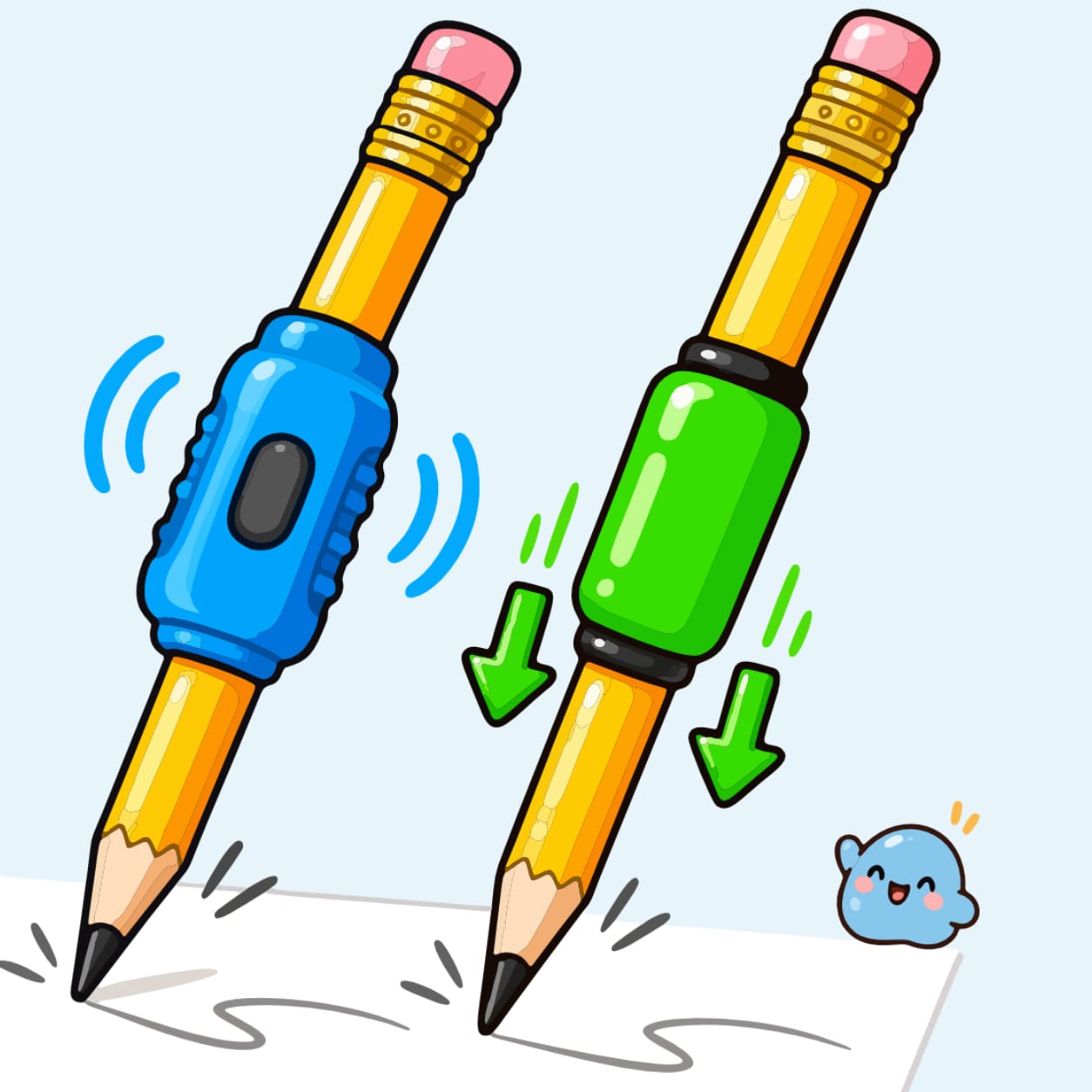
Weighted Pencils: Adding weight changes how the pencil feels in the hand and may help some students with pencil stability and control. For students who write too lightly, this may be worth exploring, although added weight does not automatically increase writing pressure.
Vibrating Pencils: Gentle vibration provides additional tactile input to the fingers and hand. This may help some students become more aware of their pencil grasp and movements as they practice controlling pressure.
⭐ OT Tip: Have children write the same sentence using a regular pencil and an adapted pencil. Compare the writing samples to determine which tool supports comfortable, consistent, and legible handwriting.
5. Explore Different Graphite Pencil Grades ✏️
Did you know that not all pencils write the same way? Different graphite grades can help children explore pencil pressure!
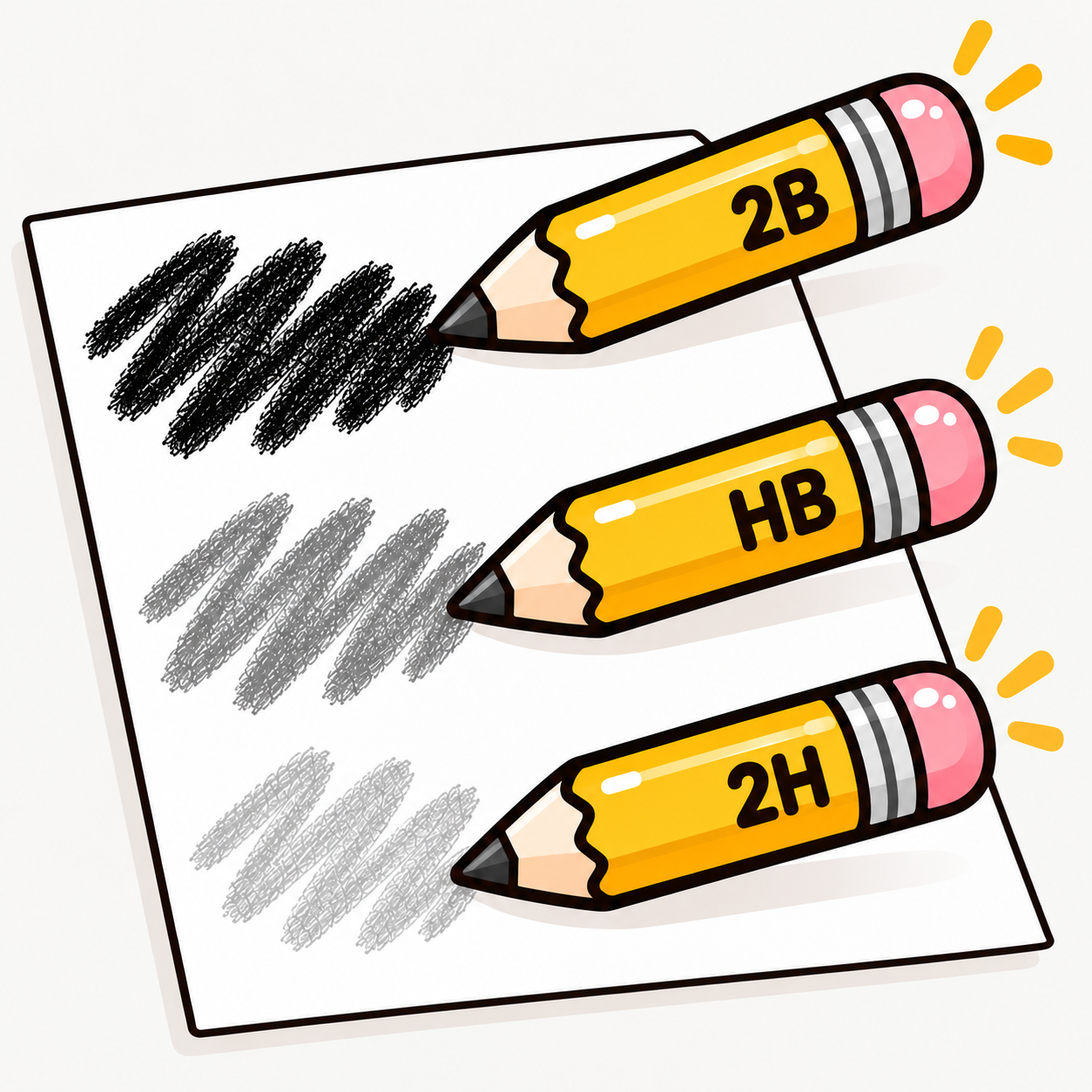
Want to learn more? Check out my How Different Graphite Pencils Support Handwriting for more tips and activities!
The Takeaway 💙
There is no one-size-fits-all solution to pencil pressure!
The goal isn't simply to make children press harder or softer. It's to help them develop comfortable, controlled, and legible handwriting without excessive effort or fatigue.
Small changes to writing tools, surfaces, and positioning can provide meaningful opportunities to practice pencil pressure control.
Remember: It's all about finding that "just right" pressure!